Exactly How Offshore Business Formations Work: A Detailed Overview for Entrepreneurs
Offshore firm formations can supply considerable benefits for entrepreneurs seeking tax obligation optimization and asset protection. The procedure includes numerous essential steps, beginning with careful jurisdiction selection and complete documentation prep work. Engaging specialist solutions is vital for conformity. However, numerous neglect the continuous responsibilities that follow initial registration. Recognizing these intricacies can make a considerable distinction in leveraging overseas chances efficiently. The next actions are necessary for long-lasting success.
Comprehending Offshore Firms: What They Are and Why They Issue
Although the principle of overseas business might seem complex, recognizing their fundamental nature and importance is vital for both companies and people seeking to maximize their monetary strategies. Offshore firms are entities registered outside the individual's nation of home, usually in territories that provide favorable regulative atmospheres. These services can offer numerous advantages, such as tax optimization, property security, and improved personal privacy.
For business owners, establishing an overseas company can assist in global trade, lower functional costs, and expand market reach. Furthermore, offshore companies usually enable for structured conformity with global policies. People might also use offshore structures to secure individual assets from economic or political instability in their home nations. Ultimately, the allure of overseas business copyrights on their capacity to boost financial adaptability and give tactical benefits in a significantly interconnected worldwide economic climate - Offshore Company Formations. Understanding their operational framework and advantages is crucial for making informed choices
Choosing the Right Territory for Your Offshore Business
Picking the appropriate territory for an offshore firm is important for taking full advantage of tax advantages and ensuring compliance with regional guidelines. Different territories provide varying tax obligation rewards and governing atmospheres that can considerably impact business procedures. Consequently, a mindful evaluation of these factors is essential for notified decision-making.
Tax Advantages Overview
When considering the establishment of an overseas firm, understanding the tax obligation benefits connected with different jurisdictions is vital. Different places use distinct advantages, such as low or zero business tax obligation rates, which can greatly enhance productivity. Some jurisdictions provide tax obligation incentives for specific sorts of organizations, attracting entrepreneurs looking for minimized tax obligation obligations. Furthermore, particular countries enforce positive tax treaties that lessen double taxes on international earnings, guaranteeing that companies retain more profits. The selection of territory likewise influences value-added tax obligation (BARREL) and other regional taxes. Business owners need to examine these factors meticulously to choose an area that lines up with their service objectives, maximizing tax obligation effectiveness while remaining certified with worldwide regulations.
Regulatory Setting Considerations
Choosing the ideal jurisdiction for an overseas business calls for an extensive understanding of the governing setting, as various countries impose differing levels of conformity and governance. Entrepreneurs need to assess elements such as legal frameworks, tax regulations, and reporting commitments. Jurisdictions like the British Virgin Islands and Cayman Islands are typically preferred for their business-friendly legislations and minimal reporting needs. On the other hand, some countries might enforce stringent laws that might complicate operations and raise expenses. Additionally, the political security and reputation of a territory can influence the long-lasting practicality of the offshore firm. Consequently, cautious consideration of these regulatory elements is important to ensure that the picked jurisdiction straightens with the company's functional demands and strategic objectives.
Preparing the Required Documents
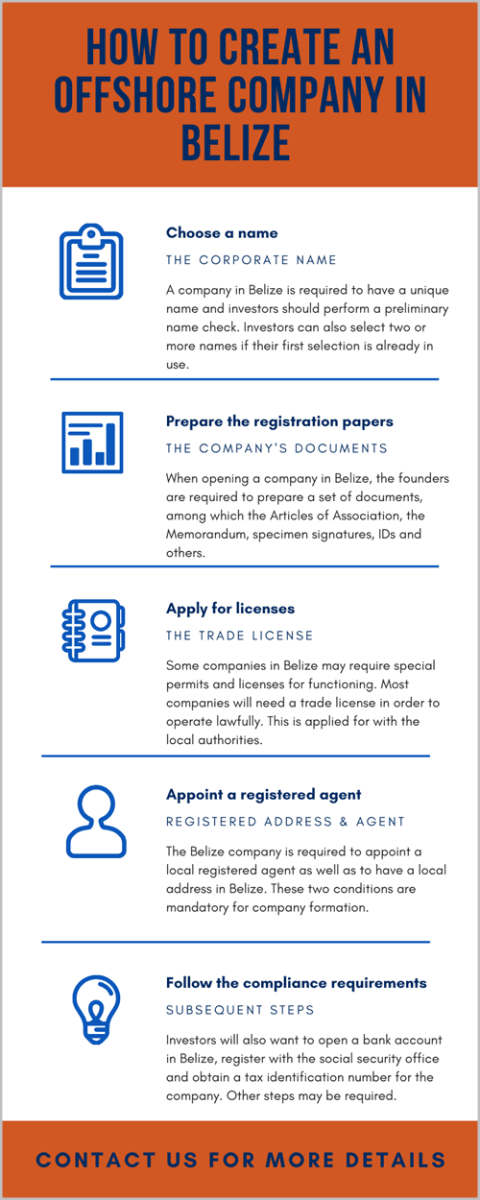
Preparing the essential paperwork is an important action in the offshore firm formation process. Entrepreneurs need to gather different lawful and recognition files to facilitate their business's facility in a foreign territory. Typically, this includes an in-depth organization strategy laying out the business's objectives and operational methods. Furthermore, personal identification records, such as keys or vehicle driver's licenses, are required from the business's shareholders and supervisors.
In most cases, proof of address, like energy expenses or financial institution declarations, is needed to confirm the identifications of the entailed parties. Certain kinds determined by the territory, including application forms for registration, must be finished accurately. Some territories might also call for a statement of the nature of service activities and conformity with local laws. Extensively preparing these documents assures a smoother registration procedure and aids mitigate potential delays or difficulties, ultimately establishing a solid foundation for the offshore entity.
Involving Professional Services for Offshore Development
Engaging expert services in offshore formation can greatly improve the efficiency and efficiency of the process. Entrepreneurs typically face complexities that can be frustrating, making professional assistance important. Expert companies concentrating on offshore formations offer a riches of understanding pertaining to territory choice, company structure, and local market problems.
These experts can assist in drafting essential documentation, ensuring accuracy and compliance with certain needs. They also help simplify communication with local authorities, lowering the chance of delays or misconceptions. In addition, specialist solutions can use insights into tactical benefits, such as tax advantages and asset protection, tailored to the business owner's particular demands.
Navigating Regulatory Compliance and Legal Requirements
Understanding the regulatory landscape is necessary for business owners starting on overseas firm developments. Conformity with local regulations and international laws is important to avoid lawful pitfalls. Each jurisdiction has details demands regarding company registration, reporting, and taxation, which have to be thoroughly researched.
Business owners ought to familiarize themselves with the laws governing company framework, ownership, and operational methods in the picked offshore place. In addition, anti-money laundering (AML) and understand your customer (KYC) laws typically use, requiring appropriate documents and verification processes.
Involving with attorneys that focus on offshore services can provide basics very useful guidance on navigating with these intricacies. Guaranteeing conformity not just safeguards the business from possible legal concerns but also enhances reliability with capitalists, partners, and regulatory authorities. my blog By sticking to the prescribed legal structures, business owners can effectively take advantage of the benefits of overseas company formations while decreasing risks connected with non-compliance.
Establishing Banking and Financial Accounts

Once a suitable bank is determined, business owners typically need to prepare and submit various files, consisting of evidence of identity, business registration records, and a description of the desired company activities. (Offshore Company Formations)
Some banks may additionally require a minimal deposit to open up an account. Entrepreneurs ought to be prepared to respond to concerns pertaining to the source of funds and business operations. By extensively understanding the banking landscape and following the financial institution's demands, entrepreneurs can safeguard their offshore firm has seamless accessibility to crucial economic services for reliable operation.
Preserving Your Offshore Firm: Ongoing Obligations and Ideal Practices
Maintaining an overseas firm includes several ongoing responsibilities that are crucial for compliance and operational honesty. Key elements include sticking to yearly compliance requirements, keeping accurate financial documents, and understanding tax obligations. These components are crucial for making certain the company's long life and lawful standing in its territory.
Yearly Compliance Needs
While establishing an overseas firm supplies many benefits, this contact form it likewise entails ongoing obligations that can not be ignored. Yearly conformity needs vary by jurisdiction but usually include sending monetary statements and annual returns to neighborhood authorities. Firms must also pay yearly charges, which can include registration revivals and taxes, relying on the area. Additionally, several territories call for keeping a regional representative and a registered office. Failure to follow these regulations can result in charges, consisting of penalties or perhaps dissolution of the business. Entrepreneurs need to additionally know any adjustments in local laws that may influence their conformity responsibilities. Staying notified and arranged is crucial for preserving the advantages of an offshore business while meeting lawful responsibilities effectively.
Maintaining Financial Records
Conformity with annual requirements is just component of the continuous responsibilities connected with overseas company management. Keeping precise economic documents is vital for ensuring transparency and responsibility. Entrepreneurs have to methodically record all purchases, including earnings, expenditures, and assets. This practice not only aids in internal decision-making yet also prepares the company for prospective audits from governing authorities.
Routinely upgrading financial statements, such as profit and loss accounts and balance sheets, is important for tracking the company's economic health and wellness. Making use of audit software program can streamline this process, making it easier to create records and preserve compliance. On top of that, entrepreneurs should take into consideration seeking expert audit solutions to ensure adherence to local policies and best techniques, thus protecting the honesty and track record of their overseas operations.

Tax Obligations Review
Steering through the complexities of tax obligation commitments is essential for the successful administration of an offshore firm. Business owners have to understand the tax policies of both their home nation and the jurisdiction where the overseas entity is established. Conformity with regional taxes laws is vital, as failing to adhere can lead to penalties or legal issues. On a regular basis submitting required tax returns, even when no tax obligation may be owed, is frequently required. Additionally, keeping accurate and current monetary records is essential for demonstrating conformity. Inquiring from tax obligation professionals acquainted with worldwide tax law can assist browse these responsibilities effectively. By implementing finest methods, entrepreneurs can assure that their offshore operations stay lawfully certified and economically viable.
Regularly Asked Concerns
For how long Does the Offshore Company Formation Process Typically Take?
The overseas business development procedure typically varies from a few days to several weeks. Elements affecting the timeline consist of jurisdiction, documentation requirements, and responsiveness of financial and lawful establishments included in the arrangement.
What Are the Expenses Connected With Keeping an Offshore Company?
The costs related to maintaining an offshore business can differ widely. They typically consist of yearly enrollment fees, compliance costs, accounting solutions, and possible lawful fees, relying on the jurisdiction and specific organization tasks entailed.
Can I Open a Personal Checking Account for My Offshore Business?
Opening up a personal copyright for an offshore firm is usually not allowed. Offshore accounts have to be business accounts, mirroring the company's activities, thereby following policies and guaranteeing correct financial management and legal liability.
Are There Restrictions on International Ownership of Offshore Firms?
What Occurs if I Fail to Conform With Offshore Laws?
Failure to conform with overseas regulations can lead to severe penalties, including large penalties, loss of service licenses, and potential criminal charges. In addition, non-compliance may lead to reputational damage and difficulties in future organization operations.
Offshore firms are entities signed up outside the person's country of residence, frequently in territories that provide desirable regulatory environments. Selecting the appropriate territory for an offshore firm is vital for optimizing tax benefits and making certain conformity with neighborhood guidelines. When taking into consideration the establishment of an overseas firm, understanding the tax obligation benefits associated with different territories is important. Picking the best jurisdiction for an offshore firm needs a thorough understanding of the regulatory environment, as different countries impose varying degrees of conformity and administration. In addition, the political security and reputation of a territory can influence the long-lasting viability of the offshore firm.